
You’ve likely seen all sorts of tips, tricks and hacks for keeping fresh produce at its best. Some are genuinely helpful. Others are more trouble than they’re worth.
To help cut through the noise, I’ve gathered seven simple produce hacks that actually work and are backed by real food science. Try a few and see what works in your kitchen.

1. Wrap your banana crowns
Do this: Wrap the stems of a banana bunch in plastic wrap or foil.
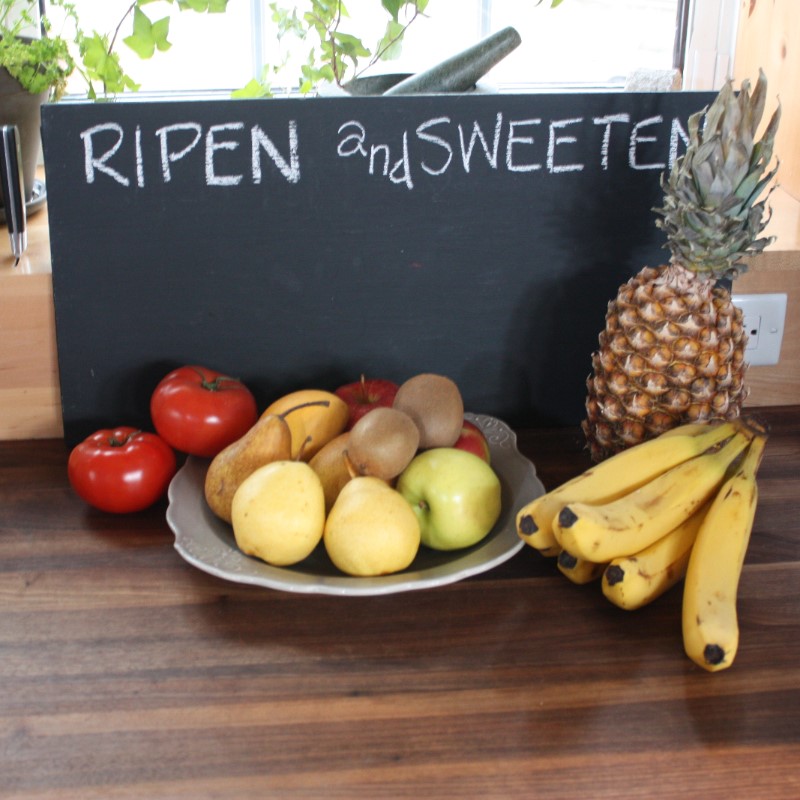
Bananas naturally release ethylene gas, which helps drive ripening. Wrapping the crown (stem end) where the bunch was cut slows the process. You’ll get an extra day or two by keeping the bunch intact and wrapping the entire crown.
Bonus: Need to ripen something fast? Put it in a paper bag with a banana and put that ethylene gas to good use. Works with avocados, pears, peaches, mangoes, tomatoes and more.
2. Keep potatoes and onions apart
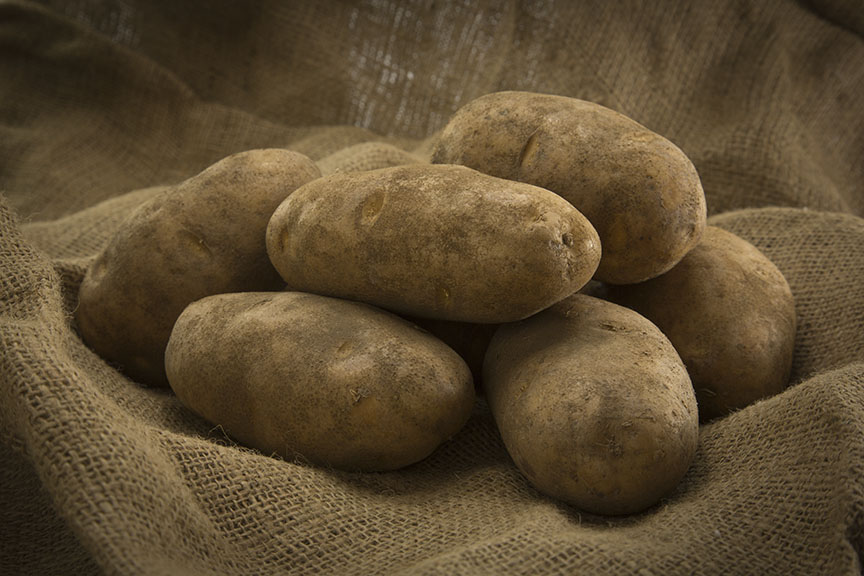
Do this: Store potatoes and onions as far apart as you can in a cool, dark space.

Potatoes and onions go great together in many dishes and both should be kept out of the fridge in a cool, dark and well-ventilated space. But stored side by side they speed up each other’s spoiling. Onions soften and potatoes sprout more quickly. Even if your storage space is limited, keep them as far apart from each other as possible. Hang onions in a mesh bag and keep potatoes in a dark, ventilated box.
Read More: Half Your Plate’s Storage Guide
3. Store herbs like cut flowers
Do this: Trim stems, stand in a jar of water, and drape a bag loosely over the top.
This method is ideal for tender, leafy green herbs like parsley, cilantro, dill, and basil. Keep herb bouquets in the fridge, except for basil which prefers to stay on the counter. Dry, woody herbs like thyme, rosemary, and sage are best wrapped in a slightly damp paper towel stored in a bag or container in the fridge.
4. Revive wilted produce with an ice bath
Do this: Soak wilted greens, celery, cucumbers or carrots in ice water for 10 to 30 minutes.
Limp vegetables aren’t spoiled, they’re just thirsty. Cold water lets cells take up water again and firm right back up. Try it with lettuce, kale, cucumbers, celery, carrots and even parsley. Soak tender greens for 10 minutes and hardier vegetables for up to 30 minutes.
Read More: Make the Most of Your Fruits and Veggies
5. Let chopped garlic rest before cooking
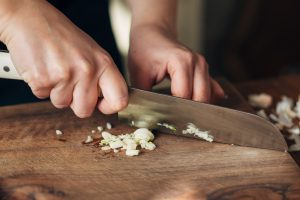
Do this: Chop your garlic first and let it rest while you prep everything else.
Garlic is valued for more than its flavour. Many of its potential health benefits are linked to sulfur compounds that form after the clove is chopped or crushed. High heat can interrupt that process, so let chopped garlic rest for about 10 minutes before adding it to a hot pan. It is a simple way to get more benefit from every clove.
6. Freeze whole lemons and limes
Do this: Wash and scrub rind, pat dry and freeze whole lemons and limes in an airtight bag.
Never lose another lemon or lime again! This method is ideal for zesting and juicing. Zest the lemon or lime while still frozen and let it thaw completely before juicing. Freezing breaks down cell walls so it’s easier to squeeze out every drop.
This method is much safer than storing lemons or limes submerged in a jar of water.
Read More: Hacks to Make Veggie Prep Faster and Easier
7. Regrow green onions on your windowsill
Do this: Save root ends, stand them in a shallow jar of water, and set them in a sunny window to regrow.

It’s so much fun to regrow the ends of celery, green onions, romaine, living lettuce, bok choy, leeks and lemongrass. If the base is intact, you can place it in a jar of water and within days you’ll see new growth emerging. Even if you never transplant it into soil or regrow a full head of lettuce, it’s rewarding to see green shoots pop up. Personally, I enjoy regrowing green onions the best because they produce the most consistent and useable results.
There will always be new hacks to try. Choose ones that are backed by science, fit easily into your routine and can be used consistently. A hack is only worthwhile if it helps your fruits and vegetables last longer, reduces waste and, makes it easier for you to eat more of them.
Getty Stewart is a professional home economist sharing tips and recipes for enjoying local, seasonal homemade food at www.gettystewart.com.