
By Laurie Barker Jackman, RD
Across Canada, conversations about sustainability are showing up everywhere – at home, in classrooms, in community spaces, and even in the grocery store. People are thinking more about where their food comes from, how it’s grown, and what it means for their health and the environment. Meanwhile, farmers face unpredictable weather, families navigate rising food costs, and communities look for ways to build a food system that can stand up to future challenges. It can feel complicated, but in the middle of all of this, one thing becomes clear: fruits and vegetables play a bigger role in sustainability than many realize.
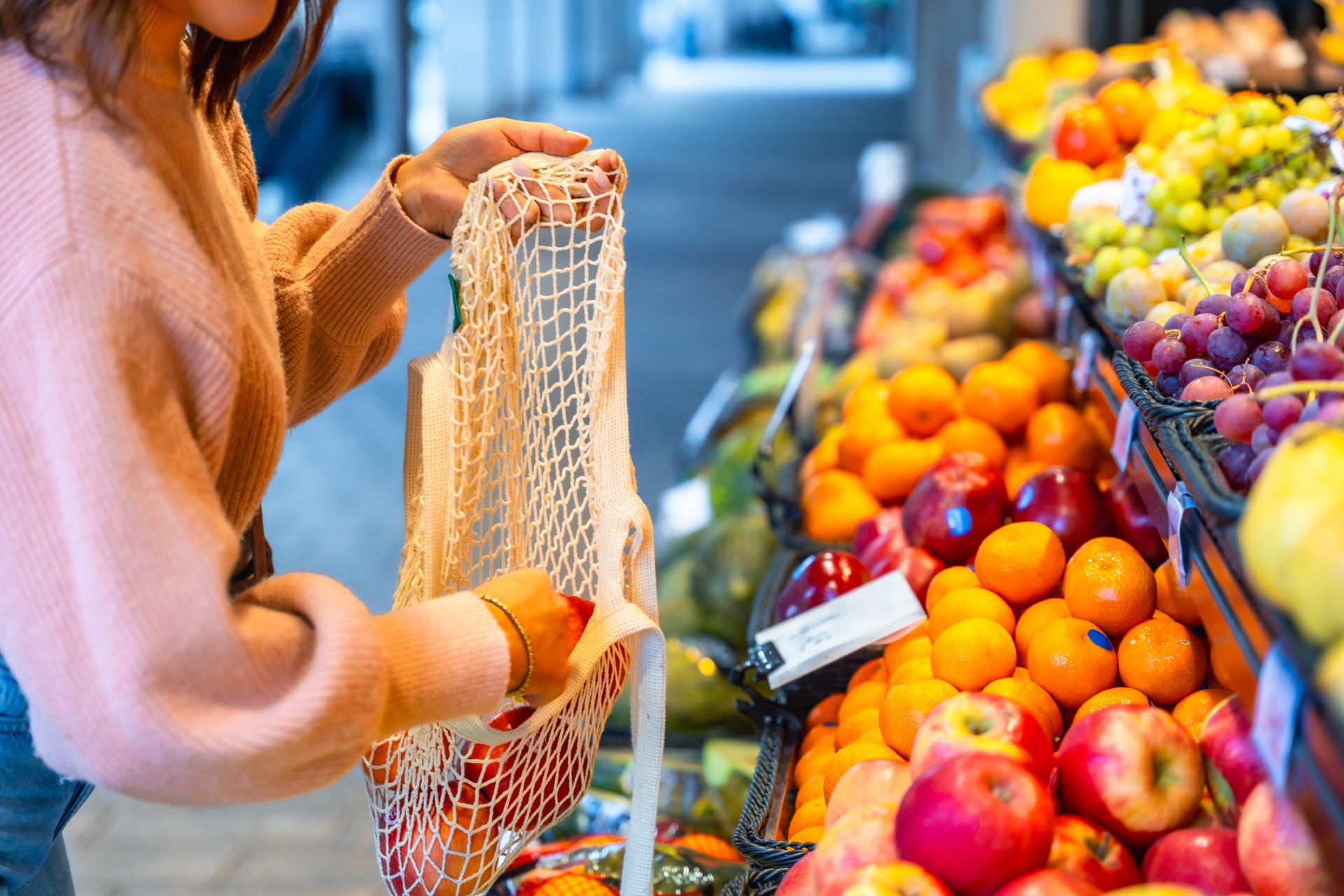
They’re some of the most environmentally friendly foods we can choose, packed with nutritional value, supportive of local farmers, and gentle on natural resources. And small everyday habits like choosing seasonal produce or storing fruits and vegetables so they last longer, can make a meaningful difference.
Let’s take a closer look at why fruits and vegetables matter so much in sustainable food systems, and how simple choices at home can support a healthier planet and healthier families.
Low Environmental Footprint, High Nutritional Value
One of the biggest reasons fruits and vegetables are central to sustainable eating is that they’re naturally easier on the planet. Compared with many other foods, they generally require fewer resources to grow. For example:
- Less land: Fruits and vegetables can be grown in smaller spaces and more flexible systems. They don’t need huge stretches of land required for livestock or large grain crops, which helps protect natural habitats.
- Less water: Many types of produce need far less water than animal agriculture or water‑intensive crops. As droughts and water shortages become more common, this matters more than ever.
- Fewer energy‑intensive inputs: Producing fruits and vegetables typically requires less fertilizer and less energy overall. That means a smaller environmental footprint from farm to plate.
- Lower greenhouse gas emissions: Compared with foods like beef or dairy, fruits and vegetables produce significantly fewer emissions. Choosing more plant‑forward meals is one of the simplest ways individuals can reduce their carbon footprint.
And while they’re gentle on the environment, fruits and vegetables are incredibly good for us. They’re rich in vitamins, minerals, fibre, and antioxidants – nutrients that support long‑term health and help reduce the risk of chronic disease. When a food group is both good for the planet and good for our bodies, it naturally becomes a cornerstone of sustainable eating. If you’re looking for simple ways to add more produce to your meals, Half Your Plate’s recipe collection is full of simple, delicious ways to fill half your plate.
Strengthening Local and Regional Food Systems
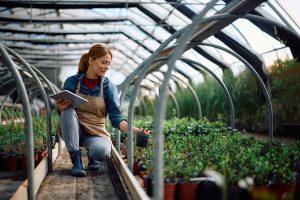
Sustainability isn’t only about the environment; it’s also about building food systems that can handle change. Supporting local fruit and vegetable growers is one of the most effective ways to do that.
Buying Canadian produce helps:
- Support farmers and producers in our own communities
- Reduce transportation distances and emissions
- Keep more money circulating locally
Canada’s climate doesn’t allow us to grow everything year‑round, but we produce far more than many people realize. Apples, berries, greenhouse tomatoes, cucumbers, peppers, potatoes, carrots, squash…the list is long, and it changes with the seasons.
Choosing local when you can is a simple way to strengthen our food system while enjoying produce at its freshest and most flavourful. Check Half Your Plate’s Seasonal Produce Guide for what’s in season.
Reducing Food Waste Through Better Use of Produce
Food waste is one of the biggest challenges in creating a sustainable food system, and fruits and vegetables are among the most commonly wasted foods in Canadian households. The good news is that produce also offers some of the easiest opportunities for waste reduction.

A few small habits can go a long way:
- Store produce properly – Knowing which items belong in the fridge, which prefer room temperature, and how to store cut produce can extend freshness and reduce waste.
- Freeze produce before it spoils – Frozen fruits and vegetables are perfect for smoothies, soups, sauces, and baking, and they save money.
- Use “imperfect” produce – Slightly wilted greens or bruised fruit are still great in cooked dishes, smoothies, or sauces. Imperfect doesn’t mean inedible.
- Plan meals around what you already have – A quick fridge check before shopping helps prevent duplicates and ensures older items get used first.
These small steps help reduce waste at home, save money, and make the most of the food we buy. For more practical tips, check out Half Your Plate’s food waste page.
Bottom Line: A Sustainable Future Starts With What’s on Our Plate
Fruits and vegetables are more than nutritious; they’re a powerful way to support a food system that’s better for the environment and better for our long‑term health. By choosing more plant‑forward meals, reducing food waste, and supporting local growers whenever we can, each of us plays a small but meaningful role in building a more sustainable food future. A sustainable food system doesn’t require perfection. It starts with simple, everyday choices, and one of the most impactful choices we can make is to fill half our plate with fruits and vegetables.