


For most of us, food has a special way of connecting us to our culture, families and ancestry. For me, growing up as a first generation immigrant in a Punjabi household and now being the primary cook in my family means I get to pass my culture onto my children, and that is so meaningful.
One of the things I appreciate about living in Canada is the variety of produce available to us, thanks to both our local farmers and imports from around the world. From okra and cauliflower to mangoes and pomegranates, these ingredients help bring the vibrant flavours of South Asian cuisine to life.
South Asian food traditions are incredibly diverse and different from region to region, but fruits and vegetables are at the heart of many everyday dishes. You might be surprised to learn that many of the basic staples you use for cooking are also the base of South Asian dishes.
The fruits and vegetables you’ll find in South Asian cuisine
South Asian cooking makes use of a wonderful variety of fruits and vegetables, many of which you may already have in your fridge or pantry. What makes the cuisine so interesting is how these everyday ingredients are transformed through different cooking methods, spices and flavour combinations.
Common vegetables used in South Asian households:
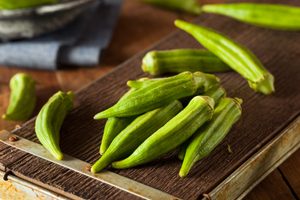
Okra (bhindi)
Okra is a good source of dietary fibre, which supports digestive health, and also provides vitamin C and folate. One of the most popular ways to prepare it is bhindi masala, where sliced okra is sautéed or pan-fried with onions and spices until tender and flavourful.
Eggplant (baingan)
Eggplant is a source of dietary fibre and contains antioxidants, including anthocyanins, which are particularly concentrated in its purple skin. South Asian cooking uses many varieties, from large eggplants to tiny baby eggplants and long slender varieties, depending on the dish; one favourite preparation is roasting a large eggplant until soft and smoky before mashing it into what’s known as baingan bharta.
Tomatoes (tamatar)
Tomatoes provide vitamin C and lycopene, an antioxidant that gives them their nostalgic red color. They’re also a staple in many South Asian dishes and curries, where they’re cooked down with onions, ginger, garlic and spices to create a rich, flavourful base also known as masala.
Onions (pyaaz)
Onions provide beneficial plant compounds, including quercetin, a naturally occurring antioxidant. They’re a foundational ingredient in many South Asian dishes (just like tomatoes), often cooked until soft, golden and caramelized to form the base of a masala that carries flavour throughout the dish.
Fenugreek leaves (methi)
Methi, also known as fenugreek leaves, is a leafy green that provides fibre, vitamin K and other micronutrients. Its slightly bitter, distinctive flavour makes it a favourite in certain sabzis, and it’s also delicious incorporated into methi parathas (flatbreads) or added to curries for an extra layer of flavour. It’s not uncommon to have both fresh and dried methi at home.
Common fruits used in South Asian households:

Pomegranate (anaar)
Pomegranate is rich in fibre, vitamin C and antioxidants called polyphenols, which help protect our cells from oxidative stress–it’s a good thing! It’s delicious eaten on its own, but the seeds are also commonly sprinkled over chaat, salads and other dishes to add a burst of sweetness, colour and crunch.
Mango (aamb)
Mangoes are an excellent source of vitamin C and provide vitamin A in the form of beta-carotene, which supports healthy vision and immune function. Beyond enjoying them fresh, South Asians love pickled mango achar, which adds a tangy, spicy kick to meals, and mango is also an ingredient in certain curries.
Papaya (papitha)
Papaya is a good source of vitamin C and vitamin A, as well as dietary fibre. Its naturally sweet, soft flesh is often enjoyed fresh, added to fruit salads or blended into refreshing drinks and smoothies.

Guava (amrood)
Guava is particularly rich in vitamin C and is also a good source of dietary fibre. It’s often enjoyed fresh, sliced and sprinkled with a little salt and chili powder for a sweet, tangy and spicy snack.
Chikoo (sapodilla)
This is just so fun to say! Chikoo provides dietary fibre, along with vitamin C and potassium. With its soft, grainy texture (like a pear!) and sweet flavour, it’s delicious eaten fresh or blended into milkshakes and smoothies.
One fun way South Asians enjoy a variety of fruits together is in fruit chaat. This colourful fruit salad combines chopped seasonal fruits with a tangy tamarind dressing, often seasoned with chili powder, roasted cumin and chaat masala. It’s a wonderful combination of sweet, sour, salty and spicy flavours!
Conclusion
Whether you’re South Asian or simply curious to explore new flavours, there’s something for everyone to enjoy in this cuisine beyond the nutrition. Food is one of the best ways to experience another culture, so don’t be afraid to try something new.
Nita is a Registered Dietitian, cofounder of Happy Healthy Eaters, and owner of a private nutrition practice in Winnipeg. Her passion for food began early, inspired by watching her mother prepare traditional Indian dishes and helping out at her family’s convenience store.
Becoming a mother sparked her passion for childhood nutrition. Today, she loves busting nutrition myths and helping families feel confident, relaxed, and joyful around food and feeding—preserving the joy of eating for kids and their caregivers.
Follow along at @nita_sharda or @happyhealthyeaters on Instagram.


